The Perfect Crumpet: A Beginner's Guide to Baking at Home
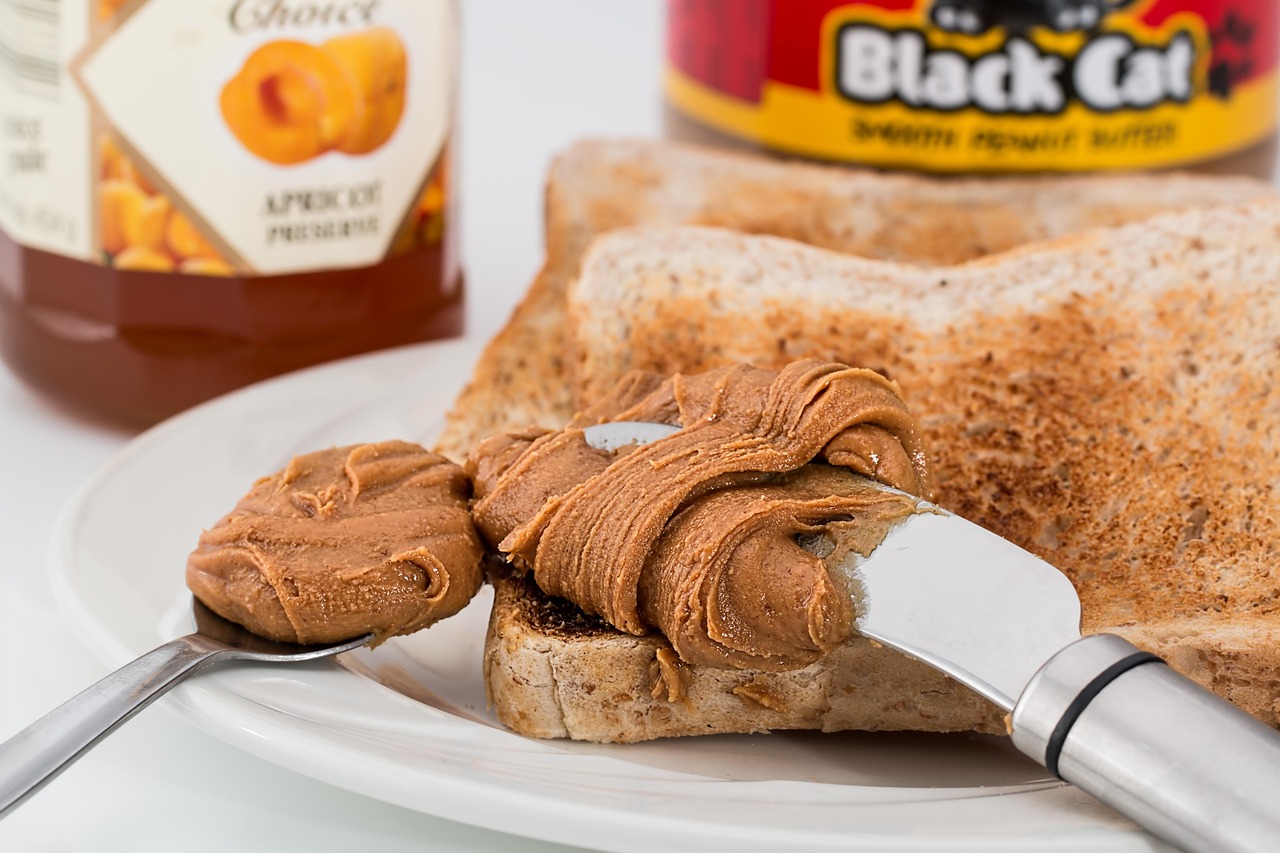
There are few pleasures in life as quietly wonderful as a warm crumpet, fresh off the griddle, its surface a landscape of tiny craters just waiting to be filled with melted butter. For years I believed crumpets were the exclusive domain of supermarket packets and nostalgic childhood breakfasts, until a rainy Sunday afternoon when I decided to try making them myself. What I discovered was that crumpets are remarkably forgiving, endlessly rewarding, and the perfect companion to a strong cup of tea.
The secret to a proper crumpet lies in the batter. You want something loose enough to spread in the pan but sturdy enough to hold its structure as it cooks. Strong white bread flour gives the best chew, while a generous amount of milk keeps things tender. The real magic, however, comes from yeast and a long, patient rise. Unlike many quick breads, crumpets reward those who wait. An hour in a warm spot lets the batter develop those characteristic bubbles that become the famous holes.
The Tools and the Technique
Before you begin, gather your equipment. You will need crumpet rings, those metal hoops that keep the batter contained as it cooks. If you do not own any, well-greased pastry rings or even clean tuna cans with both ends removed will work in a pinch. A heavy-based frying pan or griddle is essential, as is a spatula for flipping. The batter itself is simple: flour, yeast, warm milk, a little sugar to feed the yeast, and salt for flavour. Some recipes call for baking powder alongside the yeast for extra lift, and I find this gives a more reliable rise.
Mix everything together into a thick but pourable batter, then cover and leave it somewhere warm until it becomes frothy and alive with bubbles. This usually takes about an hour, though on a cold day it may take longer. Do not rush it. Once the batter is ready, heat your pan over medium-low heat and grease both the pan and the insides of your rings. Place the rings in the pan, spoon in the batter until each is about two-thirds full, and then the waiting game begins again. Resist the urge to turn up the heat. Crumpets need a gentle, steady cooking that lets the bubbles rise and set on top before the bottom burns.
Flipping, Topping, and Enjoying
After about eight to ten minutes, the tops of your crumpets should look dry and full of holes. This is the moment to remove the rings and flip each crumpet for just a minute or two, just enough to colour the top. Do not flip too early, or you will lose that beautiful sponge-like texture. Once cooked, pile them on a wire rack and cover with a clean tea towel to keep them soft. Serve them warm with butter that melts into every crevice, or go traditional with a generous spread of jam. For a savoury twist, try a slice of sharp cheddar or a poached egg on top.
Making crumpets at home is one of those small, satisfying rituals that feels both ordinary and special. The process is slow, but the reward is a batch of something far superior to anything you can buy. So put the kettle on, find your favourite mug, and give it a try. Your teatime will never be quite the same again.